Pressure Cleaning Heritage Sandstone Homes Around Glenelg
Glenelg is one of South https://glenelgpressurecleaning.com.au/contact/ Australia's oldest seaside suburbs, and its streets hold some of the state's most admired sandstone homes. From Victorian-era villas to Federation cottages with bluestone and limestone detailing, these buildings give the area much of its character. They also face a tough environment. Salt-laden sea air, coastal humidity, wind-blown sand and shaded southern walls all leave marks on soft stone. Pressure cleaning can restore a home's appearance, but on heritage sandstone it has to be done with care. This guide explains what works, what to avoid and how to protect your property.
Why Heritage Sandstone Needs a Different Approach
Sandstone is a sedimentary rock made of sand grains held together by natural cementing minerals. Many older Adelaide-area homes were built from locally sourced sandstone and limestone, and the stone's porosity makes it vulnerable. High-pressure water can strip away the hard outer surface, known as the "skin", and expose the softer material underneath. Once that happens, the stone absorbs more moisture, erodes faster and attracts more dirt.
Traditional lime mortar is another concern. Older homes around Glenelg were typically built with soft lime-based mortar rather than modern cement. Aggressive pressure can blast it out of the joints, letting water into the wall and weakening the structure over time.
Common Problems on Glenelg Sandstone Homes
Salt Deposits and Efflorescence
Being close to Gulf St Vincent means salt is part of daily life. Salt crystals form on and within the stone, leaving white powdery deposits. Cleaning can remove surface salts, but if the underlying cause is rising damp or moisture movement, the deposits will return. It is worth identifying the moisture source before cleaning.
Algae, Moss and Lichen
Shaded walls, fences and garden edges tend to develop green, black or orange growth. Biological growth holds moisture against the stone and can accelerate decay if left untreated.
Grime, Pollution and Weathering
Traffic along Anzac Highway, Jetty Road and surrounding streets leaves a film of dirt on façades. Over decades this builds into dark staining, particularly under eaves, window sills and decorative stonework.
Rust and Metal Staining
Rusty runoff from old fixings, gutters, balcony railings or iron lacework can stain sandstone. These stains usually need targeted treatment rather than general pressure washing.
Pressure Cleaning vs Soft Washing
For heritage sandstone, the best results usually come from a low-pressure or soft wash method rather than conventional high-pressure cleaning. Soft washing applies a gentle, appropriate cleaning solution to break down algae, mould and grime, followed by a low-pressure rinse. This reduces the risk of surface damage while still delivering a noticeably cleaner result.
As a general guide, many heritage cleaning specialists keep pressure well below what is used on concrete driveways. Delicate or heavily weathered stone may call for even gentler methods, such as soft brushing with water. The right approach depends on the type of stone, its condition and the kind of staining present.
Key Principles for Cleaning Heritage Stone Safely
- Test a small area first. Choose an inconspicuous spot to check how the stone responds before cleaning the whole wall.
- Start with the gentlest method. Begin with low pressure and light brushing, and only increase intensity if needed.
- Keep the nozzle at a safe distance. Use a wide fan tip and avoid concentrating water on one spot.
- Avoid harsh chemicals. Strong acids and bleach-heavy products can damage sandstone and leave residues. Use products suited to porous natural stone.
- Protect surrounding areas. Cover garden beds, rinse plants beforehand and shield timber windows, doors and delicate fittings.
- Work from the bottom up when applying, and the top down when rinsing. This helps prevent streaking.
- Do not clean in extreme conditions. Avoid freezing weather, strong wind or hot direct sun that makes solutions dry too quickly.
Mortar and Joint Considerations
Before any cleaning begins, inspect the mortar joints. If they are crumbling, hollow or recessed, water can penetrate deeper into the wall during cleaning. Any repointing work should be done with a mortar that matches the original in strength and composition, typically a lime-based mix. Repointing with hard cement mortar can damage softer stone over time because it does not flex or breathe in the same way.
Where possible, complete necessary repairs after cleaning so the new mortar is not stained or washed out, unless the existing joints are too unstable to be cleaned safely.
Heritage Considerations in Glenelg
Parts of Glenelg are covered by heritage protections, and many buildings are listed as local or State Heritage Places. Routine maintenance such as gentle cleaning generally does not need approval, but works that change the appearance or fabric of a protected building may. Treatments such as painting unpainted stone, applying sealers or sandblasting can raise heritage concerns. If your home is listed or sits within a historic area, it is wise to check with the City of Holdfast Bay and review current guidelines before starting any work beyond basic cleaning.
Cleaning Other Surfaces Around a Heritage Home
A heritage property usually includes more than the main walls. Verandah floors, pavers, limestone paths, driveways and retaining walls each need a method suited to the material.
Paths and Verandahs
Old tessellated tiles, bluestone pavers and limestone paths can be fragile. Soft washing and gentle rinsing are generally safer than high-pressure cleaning, which can loosen grout and etch surfaces.
Roofs and Gutters
Roof cleaning is a specialist task. Corrugated iron, slate and terracotta tiles all respond differently to cleaning methods, and walking on old roofs can be hazardous. Cleaning roofs and gutters also prevents runoff stains from dripping onto clean sandstone below.
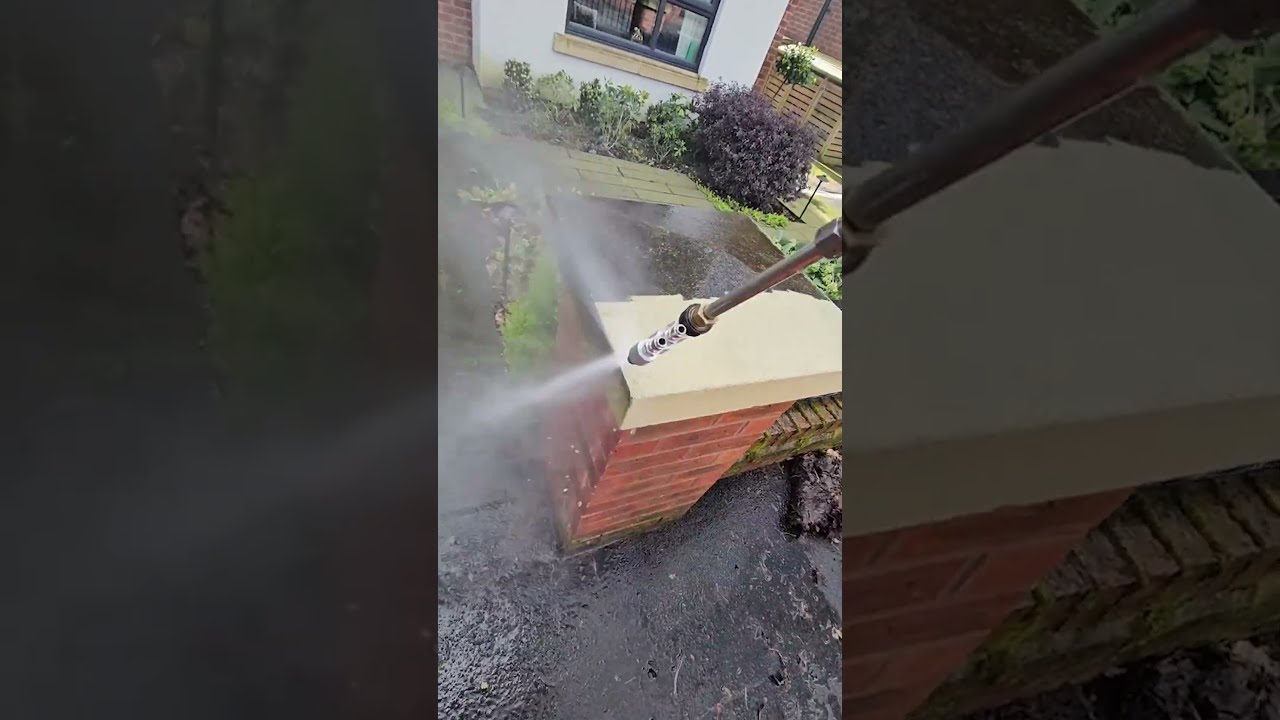
Fences and Retaining Walls
Sandstone garden walls are especially exposed to salt spray and plant growth. A gentle clean and a check for loose stones can extend their life considerably.
Should You Seal Sandstone After Cleaning?
Sealing is a common question, but it is not always a good idea for heritage stone. Many sealers trap moisture inside the wall, causing salts to crystallise beneath the surface and push the stone apart. If a sealer is being considered, it should be a breathable product designed for natural stone and approved for use on older masonry. For many heritage buildings, regular gentle cleaning and good drainage are better than sealing.
Practical Maintenance Tips for Coastal Homes
- Check drainage regularly. Make sure gutters, downpipes and stormwater drains carry water away from the walls.
- Keep garden beds below the damp-proof course. Soil piled against walls can drive moisture into the stone.
- Trim vegetation. Climbers and dense shrubs hold moisture against walls and limit airflow.
- Rinse salt-exposed surfaces occasionally. A gentle rinse with fresh water can reduce salt build-up on exposed areas.
- Schedule cleaning every few years. Frequent light cleaning is kinder to stone than occasional heavy treatment.
Choosing a Pressure Cleaning Contractor in Glenelg
Not every pressure cleaning service is equipped to handle heritage masonry. When comparing providers, consider asking:
- Do you have experience cleaning sandstone, limestone and other soft natural stone?
- Will you use low-pressure or soft wash methods on heritage surfaces?
- Which cleaning products do you use, and are they suitable for porous stone?
- Do you carry public liability insurance?
- Will you test a small area before starting?
- How do you manage runoff and protect plants and drains?
A reputable contractor should be happy to explain their process, inspect the property beforehand and adjust their approach to your home's condition.
Environmental and Council Considerations
Wastewater from cleaning can carry dirt, algae, detergents and debris. In South Australia, only clean stormwater should enter the stormwater system, because it flows directly to the coast and ultimately into Gulf St Vincent. Responsible contractors contain, capture or divert wash water where required, and use biodegradable products where practical. Given Glenelg's proximity to the beach and marine environment, this matters more than ever in 2026 as expectations for environmental care continue to rise.
Signs You Should Stop and Seek Advice
Pause cleaning and seek expert advice if you notice any of the following:

- Sand grains washing off the surface during rinsing
- Flaking, peeling or powdering stone
- Mortar crumbling or washing out of joints
- Water seeping through to interior walls
- Persistent damp patches after cleaning
These can indicate underlying deterioration that needs assessment by a heritage stonemason or building conservation specialist rather than more cleaning.
Final Thoughts
Heritage sandstone homes are a defining feature of Glenelg, and cleaning them properly helps preserve both their beauty and their structural integrity. The key is to treat the stone gently, use methods matched to its condition and avoid shortcuts that could cause irreversible damage. With a careful approach, regular maintenance and the right professional help, your sandstone home can stay looking its best well into 2027 and beyond.
Glenelg Pressure Cleaning
Unit 3/2-4 Byre Ave, Somerton Park SA 5044
(08) 7282 0893